
 -30%
Valdus
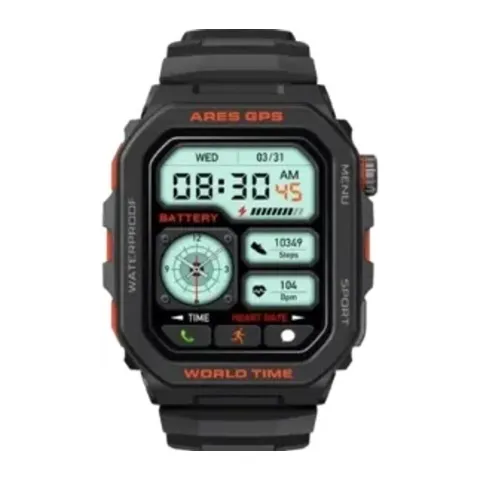
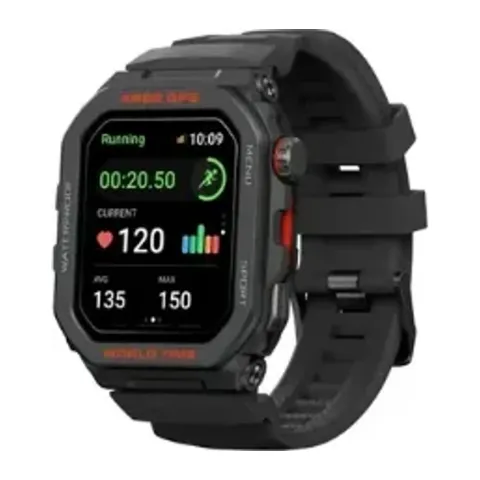
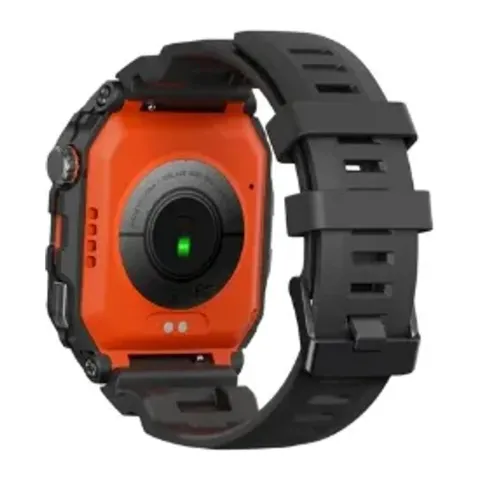

BrandZeblaze
৳4,500 ৳4,920 Sale
In stock
Built-in satellite positioning — no phone needed for tracking
Route file import for navigation
Rated 7 days typical use, 14 days in battery-saver mode
Heart rate, blood oxygen, stress and sleep monitoring
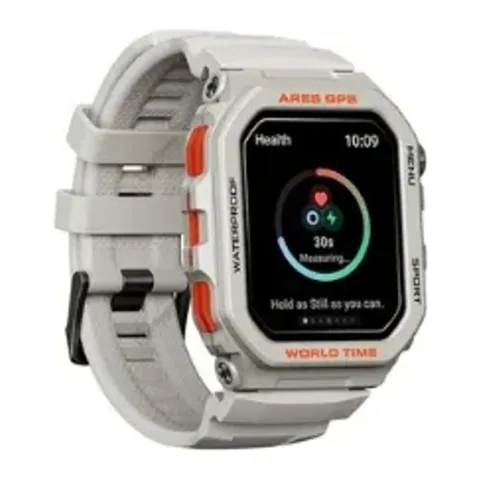
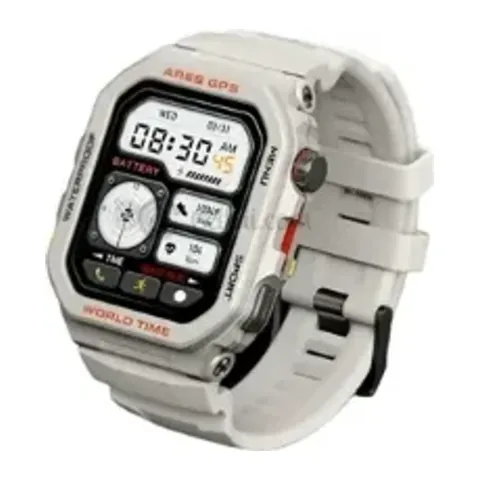
Two colours: black and white
The distinguishing feature is in the name: this watch has its own satellite positioning rather than borrowing your phone's. Compare it across our smartwatches.
Almost every affordable smartwatch tracks distance using a motion sensor and a step count, or by piggybacking on your phone's GPS — which means carrying the phone. A watch with its own receiver records an actual route with actual distances, and it does so with the phone left at home. For running, cycling or hiking that is the whole difference between an estimate and a measurement. It also means pace and distance stay accurate on varied terrain, where a step-counting estimate drifts badly. The Ares GPS additionally accepts imported route files, so you can follow a planned path on the wrist rather than stopping to check a phone.
Seven days of typical use, extending to fourteen in battery-saver mode. Satellite positioning is power-hungry — the receiver has to stay locked onto signals continuously — so a long GPS session will consume battery far faster than the seven-day figure suggests. That is not a fault of this watch; it is what GPS costs on any wearable, and the reason battery-saver mode exists.
Heart rate, blood oxygen, stress and sleep quality, all of which should be read as trend data rather than clinical measurement. If you want an AMOLED display and much longer battery life instead of positioning, the Ares 3 Plus is the alternative in the same range — it has no GPS but is rated at eighteen days.
No warranty term is published for this model through our supply route, so we do not state one. Our returns policy covers a faulty unit.
| Model | Ares GPS |
|---|---|
| Type | GPS sports smartwatch |
| Satellite positioning | Built in |
|---|---|
| Navigation | Route file import supported |
| Monitoring | Heart rate Blood oxygen (SpO2) Stress Sleep quality |
|---|
| Typical use | Rated up to 7 days |
|---|---|
| Battery-saver mode | Rated up to 14 days |
| Colours | Black White |
|---|
No, which is the point of this model. It has its own satellite receiver, so it records real routes and distances with the phone left at home. Watches without GPS either estimate from step count or borrow the phone's receiver.
A lot. The receiver stays locked onto satellites continuously, so a long tracked session drains the battery far faster than the seven-day figure implies. That is true of every GPS wearable, and why the battery-saver mode exists.
It lets you load a planned path onto the watch and follow it on your wrist rather than stopping to check a phone. Useful for a route someone else recorded, or one you mapped at home before setting out.
This one if you run, cycle or hike and want real distances without carrying a phone. The Ares 3 Plus if you want the AMOLED display and much longer battery — it is rated at eighteen days but has no GPS.
Useful for trends, not for diagnosis. A wrist optical sensor reliably shows change over weeks, such as a drifting resting heart rate or worsening sleep. It is not a clinical instrument and should not inform a medical decision.
No reviews yet
-30% Valdus
 -10%
Zeblaze
 -5%
COLMI
 -12%
Zeblaze