
 -30%
Valdus
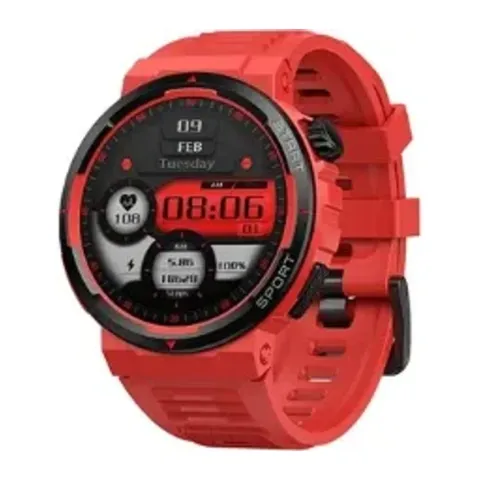
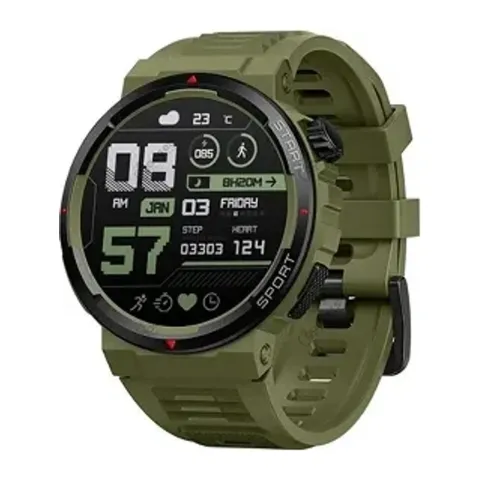
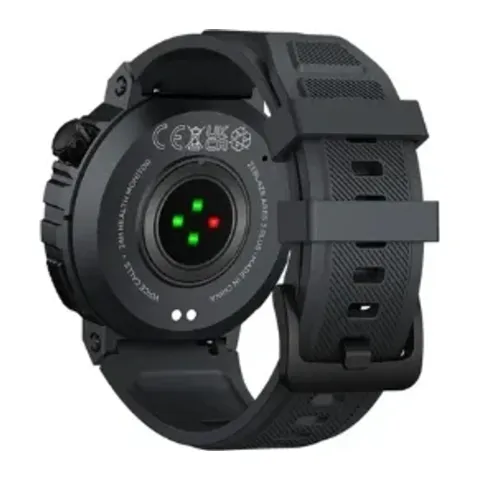
BrandZeblaze
৳2,850 ৳3,200 Sale
In stock
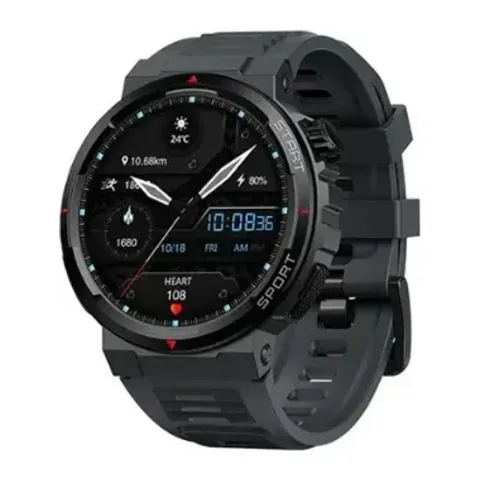
1.43-inch circular AMOLED at 466 × 466 pixels
1,000 nits brightness with always-on display
280mAh battery, rated up to 18 days
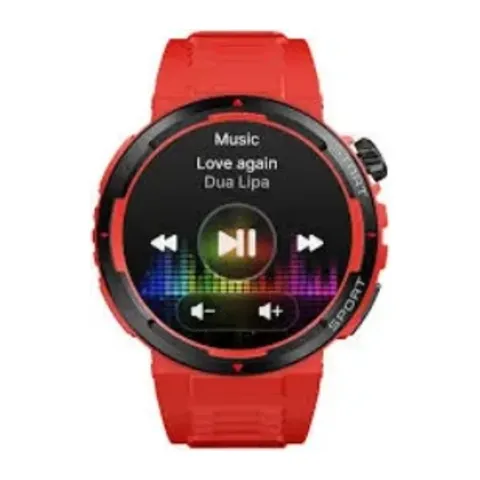
Bluetooth 5.2 calling and voice assistant
IP68 rating in a rugged case
Recharges in about 90 minutes
A 466 × 466 AMOLED at 1,000 nits, in a rugged case, rated at eighteen days — a specification that would not look out of place several times the price. Compare it across our smartwatches.
Most watches at this level use an IPS panel. This one is AMOLED at 466 × 466, which is a genuinely sharp resolution for 1.43 inches, and it reaches 1,000 nits. Brightness is what determines whether you can read a watch outdoors in Dhaka at midday, and 1,000 nits is enough that you can. AMOLED also makes the always-on display practical rather than ruinous: unlit pixels draw no power at all, so a mostly-black watch face costs very little battery while staying visible.
The 280mAh cell is rated at up to eighteen days of typical use, recharging in about ninety minutes. That figure is unusually high for an AMOLED watch and it is the AMOLED that makes it possible — the same panel technology that would drain an always-lit LCD saves power here. Expect the lower end of the range if you leave the always-on display enabled and take calls regularly, which is how every quoted watch battery figure works.
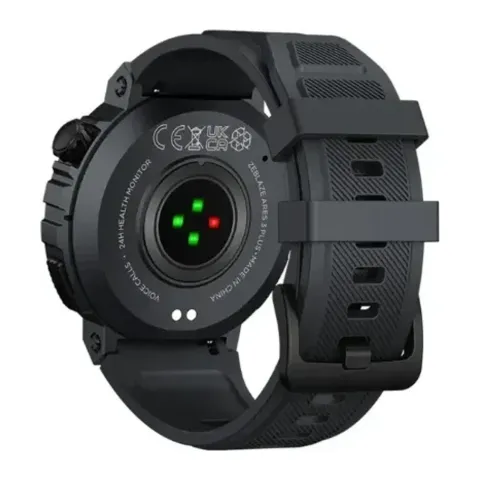
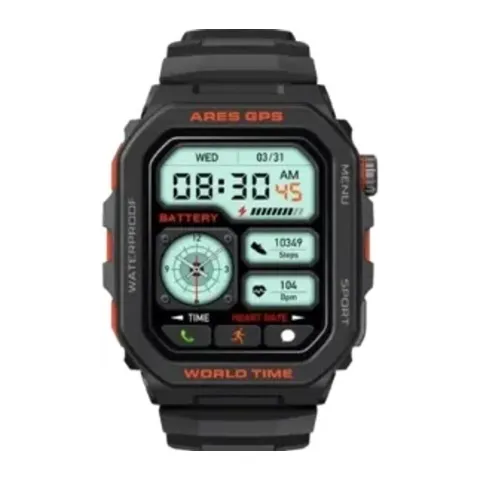
Bluetooth 5.2 handles calling from the wrist along with voice assistant access. The case is rugged and carries an IP68 rating, covering dust and brief immersion in fresh water — rain, handwashing and sweat are all fine. IP68 is not a swimming rating; for laps you want 5ATM. If you want satellite positioning rather than a rugged case, the Ares GPS is the model in this range that has it.
No warranty term is published for this model through our supply route, so we do not state one. Our returns policy covers a faulty unit.
| Model | Ares 3 Plus |
|---|---|
| Type | Bluetooth calling smartwatch |
| Screen | 1.43-inch circular AMOLED |
|---|---|
| Resolution | 466 × 466 pixels |
| Brightness | 1,000 nits |
| Always-on display | Supported |
| Capacity | 280mAh |
|---|---|
| Battery life | Rated up to 18 days, typical use |
| Charging time | About 90 minutes |
| Bluetooth version | 5.2 |
|---|---|
| Calling | Built-in microphone and speaker |
| Voice assistant | Supported |
| Water and dust resistance | IP68 |
|---|---|
| Build | Rugged case |
| Colours | Black Red Green |
Yes, for two reasons. Unlit pixels draw no power, so an always-on face costs very little battery. And AMOLED reaches higher brightness, which is what decides whether you can read the watch outdoors in daylight.
That is the rating for typical use. Leaving the always-on display enabled, taking calls regularly and running continuous heart rate tracking all reduce it substantially. Treat eighteen as a ceiling rather than a daily figure.
No. IP68 covers dust and brief immersion in fresh water, so rain, handwashing and sweat are fine. Swimming involves sustained movement through water at higher effective pressure and needs a 5ATM rating or better.
Not on this model. If satellite positioning is what you need, the Ares GPS in the same range has it built in. The Ares 3 Plus is the one to choose for the AMOLED display, the rugged case and the battery life.
Outdoors in strong sunlight, yes. Below roughly 500 nits a watch face becomes hard to read at midday, which is precisely when you glance at it while walking. A thousand nits removes that problem entirely.
No reviews yet
-30% Valdus
 -8%
Zeblaze
 -5%
COLMI
 -12%
Zeblaze