
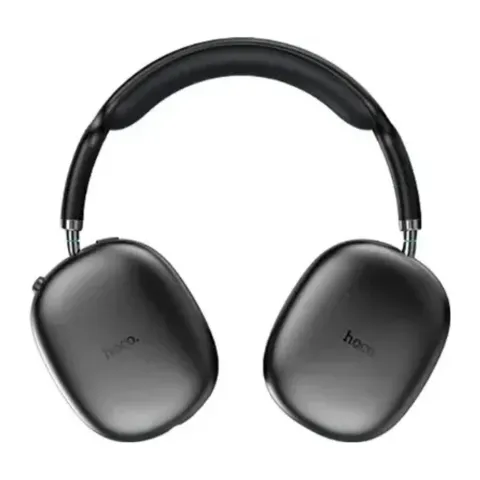
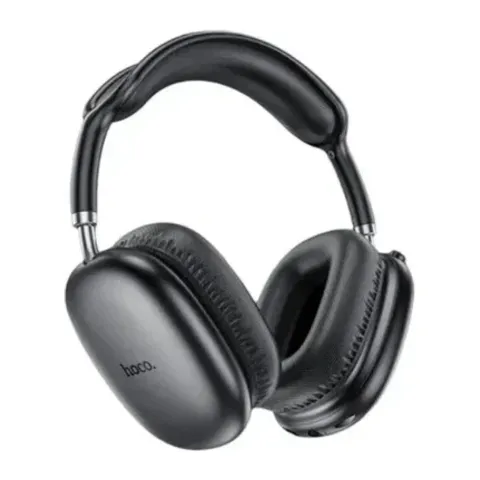
 -12%
Hoco
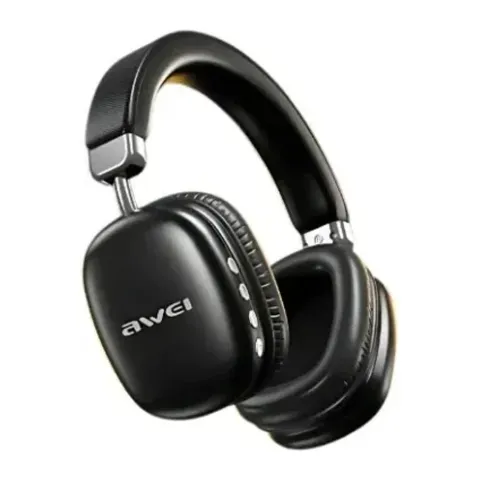
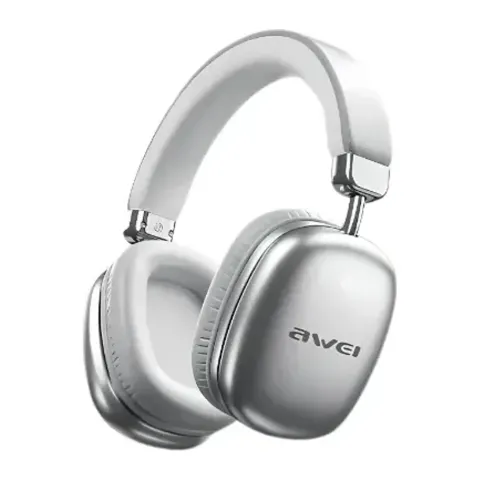
BrandAwei
৳1,100 ৳1,150 Sale
In stock
Over-ear Bluetooth 5.4 headphone with 40mm drivers and a 600mAh battery good for around 70 hours of playback.
600mAh battery — around 70 hours of playtime per charge
Bluetooth 5.4 for an efficient, stable connection
40mm drivers, 32Ω impedance
Onboard controls for playback, volume and calls
Built-in microphone for hands-free calling
USB Type-C charging, in black or silver
Seventy hours from a 600mAh cell is the headline here, and it is a genuinely large battery for an over-ear pair at this price. Compare it across our headphones.
It means you stop thinking about charging. At a couple of hours of listening a day, that is a month between charges — long enough that the habit becomes charging it when you remember rather than when it dies. Read the figure as measured at moderate volume, as every manufacturer's is; loud listening will cut into it. But even at half the rating this is a headphone you charge monthly rather than nightly, which is a different relationship with a device.
Awei sells these two at almost the same price and they are easy to confuse. The AT7 has the bigger battery — 600mAh against 400 — and roughly 70 hours against 40. The AT8 folds down for packing, adds a noise-reducing microphone and voice assistant support, and takes a fifteen-minute quick charge. So the AT7 is the endurance one and the AT8 is the travel one. Neither is simply better.
Forty-millimetre drivers at 32Ω, which is a standard over-ear configuration any phone or laptop can drive at full volume without an amplifier. Controls are physical buttons rather than a touch panel, which is worth noting: buttons work with cold hands and gloves and never trigger by accident, at the cost of being less elegant.
Sourced through authorised retailers in Bangladesh with an official warranty — the term is in the specification above and our warranty policy explains how a claim works.
| Type | Over-ear wireless headphone |
|---|---|
| Controls | Onboard playback, volume and call buttons |
| Driver | 40mm |
|---|---|
| Impedance | 32Ω |
| Sensitivity | 121±3dB |
| Microphone | Built-in |
| Battery capacity | 600mAh |
|---|---|
| Music playtime | Approx. 70 hours |
| Bluetooth version | 5.4 |
|---|
| Colours | Black Silver |
|---|
| Charging port | USB Type-C |
|---|
| Warranty | 6 months official |
|---|
At moderate volume, roughly. Loud listening cuts into it, as it does on every headphone. Even at half the rating this is a pair you charge monthly rather than nightly, which is the practical point of a 600mAh cell.
The AT7 for battery life — 600mAh and around 70 hours against the AT8's 400mAh and 40. The AT8 if you want it to fold for packing, plus a noise-reducing microphone and a fifteen-minute quick charge.
No. At 32 ohms these are easy for any phone or laptop to drive at full volume. High-impedance headphones of 250 ohms and above are the ones that benefit from a separate amplifier, and these are not that.
They have real advantages. Buttons work with cold hands or gloves and never trigger by accident when you adjust the headphones. Touch panels look neater but misfire regularly. It is a genuine trade-off rather than one being outdated.
No active cancellation is claimed. The over-ear design gives passive isolation because the cups physically cover your ears, which helps with steady background noise, but that is a different mechanism from active cancellation.
No reviews yet
-12% Hoco
 -7%
Hoco
 -30%
Acefast
 -7%
QCY